
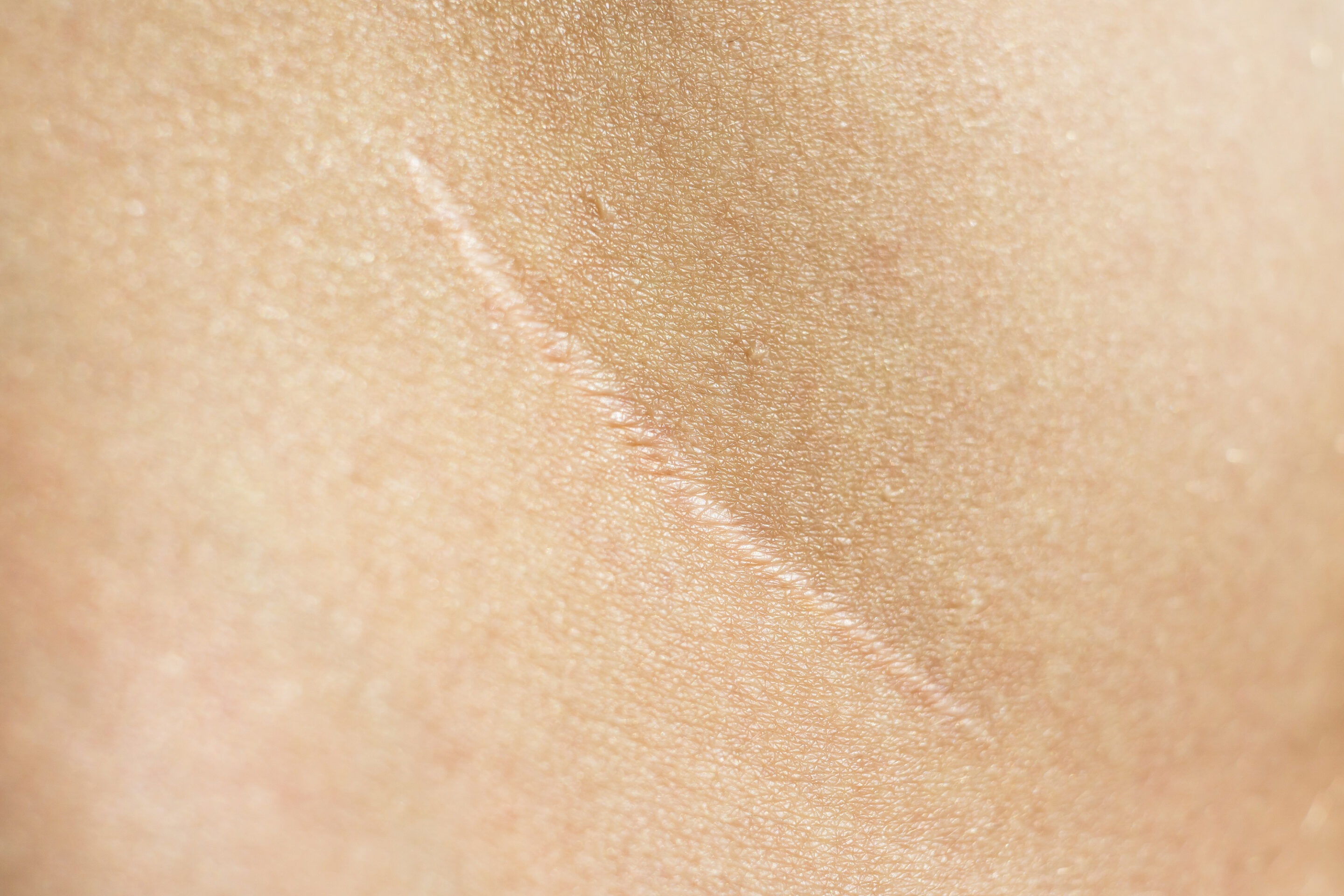
While scars represent an important chapter in your gender affirmation journey, it’s completely natural to want them to heal as smoothly as possible. Understanding how scars form and which scar treatment strategies are most effective can help you feel more confident as your body recovers and settles into its new shape.
Scar Care in Washington DC
At District Plastic Surgery, Dr. Praful Ramineni and Dr. Sarah Eidelson guide patients through every phase of transgender surgical recovery, including comprehensive scar management. During your consultation, your surgeon will assess your unique healing characteristics and create a personalized aftercare plan that addresses both the physical and emotional aspects of your recovery.
How Scars Form After Gender-Affirming Procedures
Scarring is a natural part of the surgical healing process. When incisions close, your body produces collagen fibers to repair the tissue. The resulting scar tissue differs from the surrounding skin in texture and appearance.
The extent of scarring depends on factors like:
- Surgical technique
- Incision placement
- Genetic predisposition
- Skin type
- Age
- Post-operative care adherence
For example, top surgery typically leaves scars beneath the chest, while vaginoplasty creates minimal visible scarring. Facial feminization procedures vary depending on which features are addressed. Scar appearance continues improving for up to two years after surgery, and proper scar prevention practices can significantly influence your final results.
Essential Scar Management Strategies
Effective scar reduction treatment begins immediately after your surgeon clears you to start care, usually a few weeks post-op. Some of the best techniques include:
Silicone Treatments
Silicone sheets and gels hydrate the scar tissue, regulate collagen production, and create a protective barrier that flattens and softens raised scars. Apply silicone products consistently for several months to see optimal improvement.
Massage Techniques
Gentle scar massage helps break down rigid collagen fibers and improves circulation to the healing tissue. Once your incisions have fully closed and your surgeon approves, use your fingertips to apply light pressure in circular motions along the scar line. This simple practice, performed daily for just a few minutes, can significantly improve scar texture over time.
Sun Protection
UV exposure can darken scars and make them more noticeable. Protect healing tissue with high-SPF sunscreen (30 or higher) whenever scars are exposed to sunlight. Physical barriers (like long-sleeve clothing) offer additional protection during the first year of healing — when scars are most vulnerable to pigmentation changes.
At-Home Care Methods
Stay hydrated and maintain a nutrient-rich diet to support your body’s healing capacity. Also, keeping scars moisturized with gentle, fragrance-free lotions prevents dryness that can worsen appearance.
Begin Your Journey
Schedule a consultation with Dr. Ramineni or Dr. Eidelson at District Plastic Surgery to discuss your gender-affirming surgery goals and learn more about comprehensive scar management strategies tailored to your needs.