
Understanding NeoGraft Hair Restoration
Conveniently located to serve Washington DC, Arlington, Bethesda

Understanding NeoGraft®: The Modern Approach to Hair Restoration
If you’ve been researching hair transplants, you’ve likely come across the term FUE and the technology known as NeoGraft. While they sound like complex medical jargon, the concept is actually quite straightforward and represents a major leap forward from older “strip” methods.
FUE stands for Follicular Unit Extraction. Unlike the traditional “Linear” or “Strip” method—which involves removing a long piece of scalp from the back of the head—FUE involves harvesting individual hair follicles one by one.
Think of it like gardening: instead of digging up a whole row of sod, you are carefully transplanting individual seedlings. Because the follicles are taken discretely, there is no linear scar, and the donor area heals with tiny, nearly invisible dots.
NeoGraft is the first FDA-cleared automated system used to perform FUE. It’s essentially a high-tech assistant for the surgeon. Here is how it improves the process:
- Pneumatic Precision: NeoGraft uses a specialized “no-touch” suction system to gently slide the hair follicles out. This reduces the risk of damaging the delicate grafts compared to manual tools.
- Consistency: Because the system is automated, it provides a high level of uniformity throughout the procedure, ensuring each graft is handled with the same care.
- Faster Recovery: Without a large incision or stitches, most patients return to their normal routine in just a few days.
- Harvesting: The doctor uses the NeoGraft tool to extract individual hair follicles from the “donor site” (usually the back of the head, where hair is genetically resistant to balding).
- Preparation: The harvested grafts are sorted and kept in a specialized solution to ensure they remain healthy and viable.
- Site Creation: The physician creates tiny, aesthetic “recipient sites” in the thinning areas, following the natural direction and angle of your existing hair.
- Placement: The individual follicles are meticulously placed into these sites, where they will take root and grow.
- Natural Results: Because hair is transplanted in its natural groupings of 1–4 hairs, the result looks seamless.
- Short Hair Friendly: Since there is no linear scar, you can wear your hair as short as you like after it heals.
- Low Discomfort: Most patients report very little discomfort during or after the procedure, often requiring only local anesthesia.
Frequently Asked Questions about NeoGraft®
Here are some of the most common questions patients ask when considering the NeoGraft procedure.
Does the procedure hurt?
How long is the recovery time?
Will people be able to tell I had "work done"?
When will I see results?
Patience is key in hair restoration! The “biological clock” for hair looks like this:
- Weeks 2–4: The transplanted hair shafts will actually shed (this is normal!).
- Months 3–4: New, permanent hair begins to sprout from the transplanted roots.
- Months 6–9: You’ll see significant new growth and thickening.
- Year 1: You will see the full, final results.
Is the transplanted hair permanent?
Am I a good candidate?
Your NeoGraft® Procedure Day: What to Expect
Knowing what happens from the moment you walk in can help turn “procedure jitters” into excitement. Here is a typical timeline of how your day will look.
- Morning: Arrival and Design
- Mid-Morning: Harvesting the Grafts
- Lunch Break: Rest and Refuel
- Afternoon: Creating Your New Look
- Late Afternoon: Wrap-up and Discharge
- Check-in: You’ll arrive at the clinic, usually in the early morning. We recommend wearing a comfortable, button-down shirt so you don’t have to pull anything over your head later.
- The Final Blueprint: Your physician will sit down with you to finalize the “map” of your new hairline. We’ll mark the donor and recipient areas to ensure the density and placement perfectly match your aesthetic goals.
- Preparation: The donor area (usually the back of the head) is typically trimmed short to allow the NeoGraft tool to access the follicles precisely.
- Numbing: We apply a local anesthetic to the donor area. You’ll feel a quick pinch, and then the area will be completely numb.
- The Extraction: Using the NeoGraft system, our team begins the harvesting process. You will be lying comfortably on your stomach or side. This part of the day is very quiet—feel free to nap or listen to a podcast.
- The Halfway Point: Once the necessary grafts are collected, we’ll take a break. You’ll have a chance to stretch your legs, use the restroom, and enjoy a light lunch. Your grafts are kept safe and chilled in a specialized solution during this time.
- Recipient Sites: The physician numbs the thinning area and creates the tiny “pockets” where the hair will go. This is where the artistry happens—carefully angling each site to mimic your natural hair growth pattern.
- Placement: The harvested follicles are meticulously placed into the new sites. Most patients spend this time sitting upright, watching a movie or chatting with the staff.
- Post-Op Instructions: Once the last graft is in place, we’ll clean the area and provide you with a “Post-Op Kit.”
- Going Home: We will review exactly how to wash your hair and sleep for the next few nights. Since you may have received a mild sedative for relaxation, you’ll need a friend or family member to drive you home.
While you’ll feel great, the first 72 hours are the most important for your new “seedlings” to take root. We simply ask that you avoid touching the grafts and keep your head elevated while sleeping.
Preparing for Your New Look: Pre-Op & Post-Op Guide
To ensure the best possible results and the highest “take rate” for your new hair grafts, following these simple steps is essential. Think of this as preparing the soil before planting a garden.
- 10 Days Before: Stop taking aspirin, ibuprofen (Advil/Motrin), Vitamin E, and herbal supplements (like fish oil or Ginkgo Biloba), as these can thin the blood.
- 7 Days Before: Avoid alcohol, as it can interfere with anesthesia and increase bruising.
- 3 Days Before: Stop smoking or using nicotine products, as nicotine restricts blood flow to the scalp and can hinder graft survival.
- The Morning Of: * Wash your hair thoroughly with regular shampoo. Do not apply hairspray, gels, or styling products.
- Eat a light, protein-rich breakfast.
- Wear a button-down or zip-up shirt. Avoid t-shirts or anything that must be pulled over your head.
Days 1–3: The “Anchor” Phase
- Hands Off: Do not touch, rub, or pick at the newly implanted grafts. They are delicate and need time to anchor into the skin.
- Sleep Elevated: Sleep with your head elevated at a 45-degree angle (using a recliner or 2–3 pillows) for the first three nights to minimize swelling.
- Gentle Washing: Your clinic will provide specific instructions, but generally, you will start gentle rinsing on Day 2 using a cup of water and baby shampoo—no high-pressure showerheads directly on the grafts.
Days 4–7: The Healing Phase
- Avoid Activity: Skip the gym. Strenuous exercise, heavy lifting, and intense sweating can increase blood pressure in the scalp and “pop” the grafts out.
- Sun Protection: Avoid direct sunlight on your scalp. If you must go outside, wear a very loose-fitting hat (only after the first 3 days) that does not touch the recipient area.
- Itching is Normal: As the tiny sites heal, they may itch. Do not scratch. We can recommend a saline spray or ointment to keep the area hydrated.
Week 2 and Beyond
- Back to Routine: You can typically resume normal hair washing and light exercise.
- The Shed: Don’t panic! The transplanted hair shafts will begin to fall out around week 2 or 3. This is a natural part of the cycle—the living bulb remains under the skin and will start growing new hair in a few months.
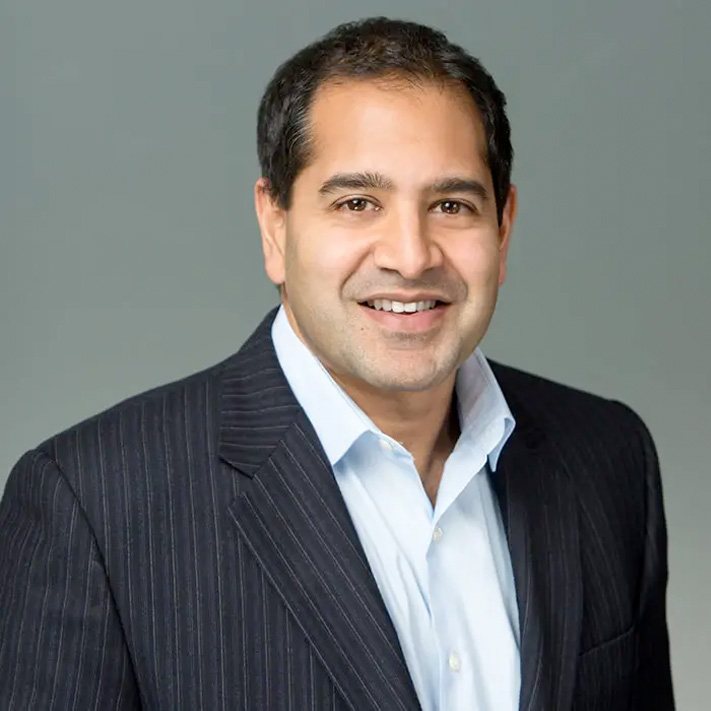
Your NeoGraft Hair Restoration will be performed in Dr. Praful Ramineni‘s surgery center located in Washington, DC.
Dr. Praful Ramineni
Plastic Surgeon in Washington D.C.

Dr. Ramineni is the founder of District Plastic Surgery. He is board certified and has over 20 years of experience in plastic and reconstructive surgery. He started his career as one of the busiest surgeons at Medstar Washington Hospital Center with a focus on complex reconstructive surgery including cancer and trauma reconstruction, microsurgery and aesthetic surgery.
Request a Plastic Surgery Consultation in Washington, DC