
Facial Fat Transfer
Conveniently located to serve Washington DC, Arlington, Bethesda

JUMP TO:
What is Facial Fat Transfer Used to Correct?
Over time, everyone’s face begins to lose facial fat, resulting in loose skin and wrinkles. It’s common for the cheeks, lips, temples, and even the earlobes to start to deflate. This is why thinner patients tend to age faster. Facial fat grafting can be used alone or in conjunction with a facelift to achieve a more youthful appearance.
Is Fat Transfer Right For Me?
Good candidates for fat transfer are patients who are experiencing facial volume loss and have sufficient donor fat available for harvesting. Those seeking natural-looking enhancement without synthetic fillers often find fat transfer particularly appealing, since it uses the body’s own tissue. While primarily performed for cosmetic improvements, facial fat transfer can also provide significant benefits for patients experiencing facial volume loss due to HIV-related lipodystrophy.
How Fat Grafting is Performed
Small incisions are used to harvest fat from the donor area(s). The fat is processed into pure fat that is very smooth and then strategically injected into “hollow” areas of the face. Generally, more fat than needed is injected, since some loss is to be expected in the weeks after the procedure.
What to Expect During Fat Transfer Recovery
Recovery is quick, and some bruising/swelling can occur. There are no postoperative restrictions, since only tiny incisions are used for this procedure. Most patients return to normal activities within a few days, though final results become apparent as swelling subsides over several weeks.
Benefits of Facial Fat Transfer
- Natural, long-lasting results using your own tissue
- Dual benefit of removing unwanted fat from donor areas
- Minimal scarring with tiny incision sites
- Can be combined with other facial procedures
- No risk of allergic reactions since it uses your own fat
How Much Does Fat Grafting Cost?
The price of facial fat grafting generally depends on the amount of fat being transferred, anesthesia and facility fees, and other patient-specific details. We will calculate the total cost of your treatment plan during your initial consultation.
Fat Transfer FAQs
Are there any dietary restrictions before or after the facial fat grafting procedure?
It’s usually recommended to avoid blood-thinning supplements like fish oils, Vitamin E, and certain herbal supplements for 1-2 weeks before surgery. After the procedure, staying well-hydrated and maintaining good nutrition supports optimal healing and fat cell survival.
What happens if I gain or lose weight after facial fat grafting?
The transferred fat cells behave like normal fat cells, expanding with weight gain and shrinking with weight loss. Significant weight fluctuations after the procedure can affect the results of facial fat grafting and alter the improved contours.
Contact Us Today!
If you’re considering Washington DC facial fat transfer to restore youthful volume and contours to your face, schedule a consultation with Dr. Praful Ramineni or Dr. Sarah Eidelson at District Plastic Surgery. They will evaluate your individual needs, discuss your aesthetic goals, and determine if facial fat grafting is the right solution for achieving your desired results!
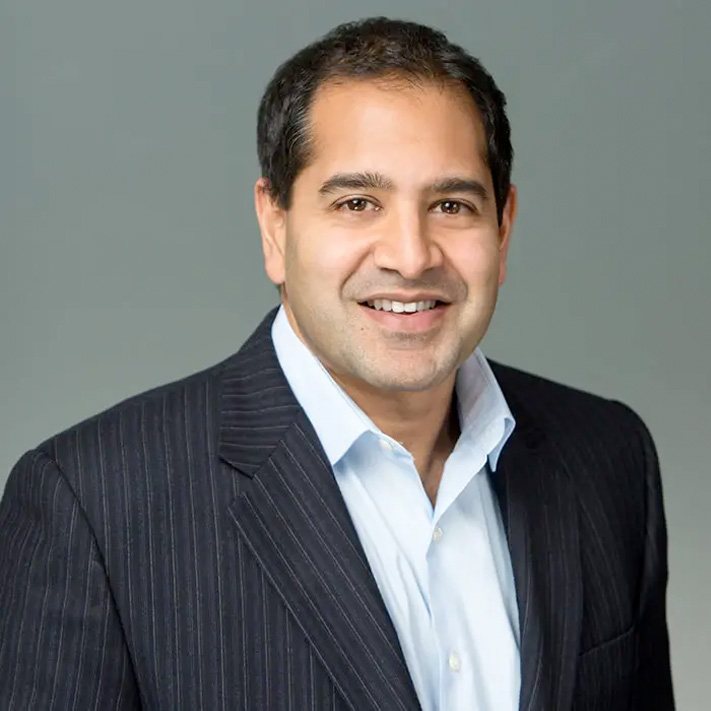
Dr. Praful Ramineni
Plastic Surgeon in Washington D.C.

Dr. Ramineni is the founder of District Plastic Surgery. He is board certified and has over 20 years of experience in plastic and reconstructive surgery. He started his career as one of the busiest surgeons at Medstar Washington Hospital Center with a focus on complex reconstructive surgery including cancer and trauma reconstruction, microsurgery and aesthetic surgery.
Related Content
Contact Us