
Hairline Feminization
Conveniently located to serve Washington DC, Arlington, Bethesda

What is Hairline Feminization?
A masculine hairline typically follows an M-shaped pattern with a higher frontal position and temple recession. Hairline feminization addresses this by lowering the overall hairline, rounding the frontal contour into a softer oval shape, and filling in the temples.
Using NeoGraft®, individual follicles are extracted from the donor area and transplanted along the new hairline with careful attention to angle and density. Single-hair micro-grafts at the very front create a delicate, feathered transition rather than a harsh edge — producing a hairline that frames the face in a way that feels authentically feminine.
Am I a Good Candidate for Hairline Feminization?
Strong candidates are MTF gender affirmation patients in good overall health with adequate donor hair on the back of the head. For transgender patients, being on a stable hormone replacement therapy (HRT) regimen for at least one year prior to NeoGraft® is strongly recommended, allowing the existing hair pattern to settle so Dr. Ramineni or Dr. Eidelson can design a lasting result. Non-smokers, or patients willing to stop nicotine use before the procedure, tend to experience better graft survival.
The Procedure
On procedure day, Dr. Ramineni or Dr. Eidelson will first finalize the hairline design, marking the new frontal and temple boundaries to suit your facial structure. The donor area is numbed with a local anesthetic, and the NeoGraft® handpiece is used to isolate and remove individual follicular units through gentle pneumatic suction.
Your surgeon then prepares the recipient zone, creating a series of tiny channels angled to match the direction of your natural hair growth. The grafts are then placed gradually and methodically. The entire hairline feminization procedure usually takes a full day.
After Your Treatment
For the first several days of recovery, sleep with your head elevated and resist the urge to touch or scratch the treated area. A gentle cup-rinse with mild shampoo is typically introduced on day four. High-intensity exercise should be paused for at least ten days.
Around weeks two through four, the transplanted shafts will fall out — an expected phase that signals the follicles are cycling into active growth. New hair begins to emerge around months three to four, with the hairline filling in progressively through month nine and reaching its final appearance at the one-year mark.
Benefits of Hairline Feminization
- Lowers and rounds a masculine hairline contour to look more feminine
- Closes temple recession zones
- Feathered micro-graft placement for a natural leading edge
- No linear donor site marking
- Permanent, genetically stable transplanted follicles
- Pairs well with other facial feminization procedures
How Much Does Hairline Feminization Cost?
The price of NeoGraft® hairline feminization is determined by the scope of the treatment, including the total number of grafts placed, the extent of temple work required, and the complexity of the target hairline design. Because no two patients present with the same anatomy or goals, an exact cost breakdown can be outlined following your in-person evaluation with Dr. Ramineni or Dr. Eidelson.
Hairline Feminization FAQs
Can hairline feminization be combined with other gender-affirming hair restoration procedures?
Can hairline feminization address hair loss caused by androgenic alopecia (pattern baldness)?
Contact Us to Learn More
District Plastic Surgery welcomes you to book a consultation and explore whether NeoGraft® hairline feminization in Washington DC is the right fit for your transition journey. Dr. Ramineni and Dr. Eidelson will take the time to understand your vision and map out a personalized approach to achieving it.
Your hair restoration will be performed in Dr. Praful Ramineni‘s surgery center located in Washington, DC.
Dr. Praful Ramineni
Plastic Surgeon in Washington D.C.

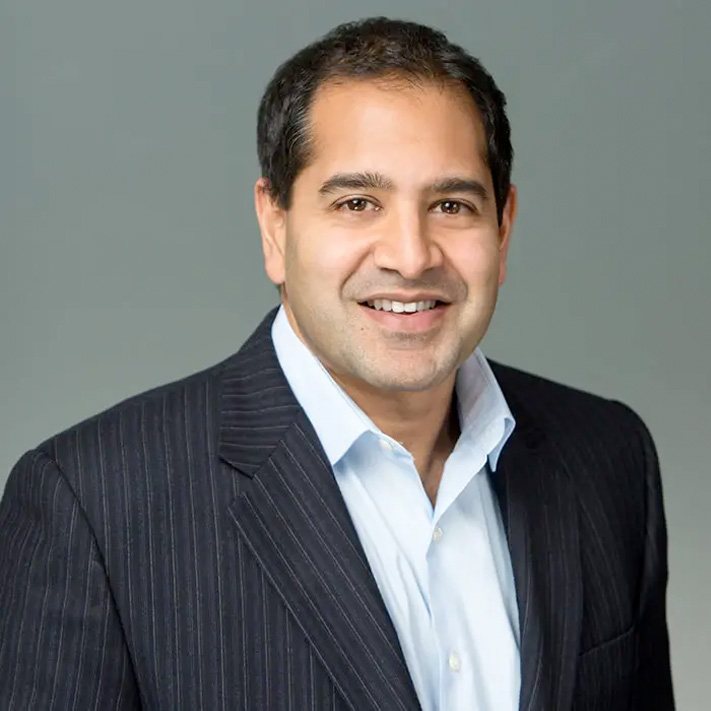
Dr. Ramineni is the founder of District Plastic Surgery. He is board certified and has over 20 years of experience in plastic and reconstructive surgery. He started his career as one of the busiest surgeons at Medstar Washington Hospital Center with a focus on complex reconstructive surgery including cancer and trauma reconstruction, microsurgery and aesthetic surgery.

Request a Plastic Surgery Consultation in Washington, DC